
Comprehensive Comparison: Sinotruk Howo 336 and Sinotruk Howo 340
The Sinotruk Howo series has built a solid reputation in the heavy-duty truck market over the years. Operators value these trucks for their durability, dependable performance, and reasonable running costs.
Among the many models available, the Sinotruk Howo 336 and Sinotruk Howo 340 tend to come up most often when buyers are comparing options. Both are used across logistics, construction, mining, and agriculture, but they are not identical. This article walks through the main differences so you can decide which one fits your work.
We will look at engine output, payload, fuel use, maintenance, and where each model tends to perform best. By the end, you should have a clearer idea of which truck suits your fleet and routes.
In short: the Sinotruk Howo 336 is the more balanced option for daily hauling and mixed routes, while the Sinotruk Howo 340 steps up when the job calls for extra power and heavier loads.
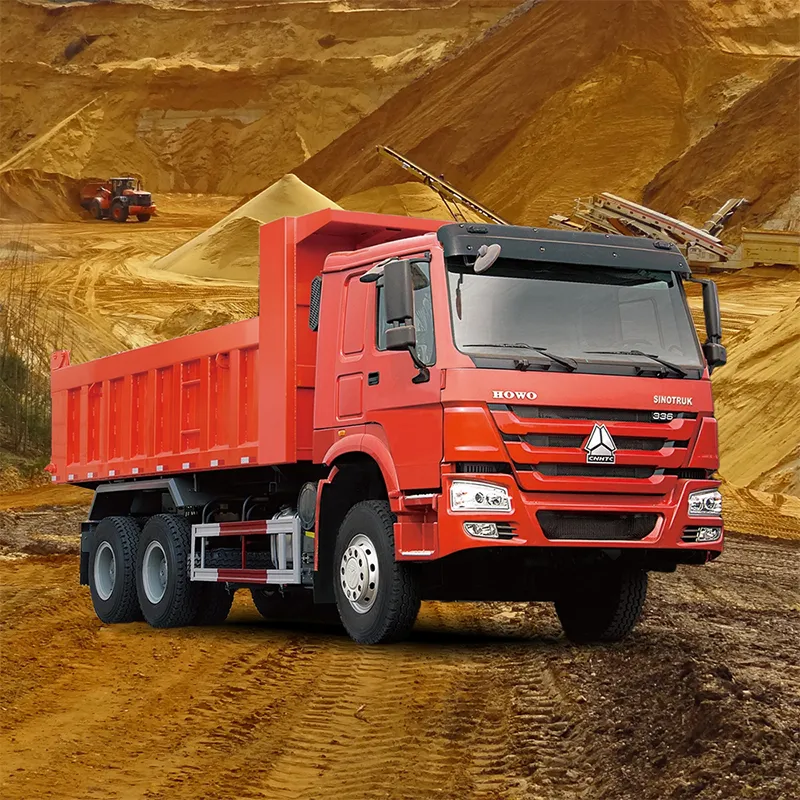
The Sinotruk Howo 336 handles medium to heavy loads with steady, reliable performance.
Quick Comparison: Howo 336 vs Howo 340
If you are short on time, the table below sums up the main differences between the two models.
| Feature | Sinotruk Howo 336 | Sinotruk Howo 340 |
|---|---|---|
| Horsepower | 336 hp | 340 hp |
| Engine Type | 9.6L diesel | 9.6L diesel, refined tuning |
| Gross Vehicle Weight | Around 25 tons | Around 27 tons |
| Fuel Consumption | Approx. 30L/100km | Approx. 32L/100km |
| Best For | Regional transport, agriculture, warehousing | Mining, heavy construction, long haul |
| Upfront Cost | More affordable | Premium tier |
| Parts Availability | Widely available | Good, some specialized parts |
| Recommended Buyer | Cost-focused fleets, mixed routes | Heavy-duty operators, mining firms |
Keep in mind that actual figures can shift depending on configuration, load, terrain, and driver habits. Always confirm specs with your dealer before buying.
Engine and Performance
The engine is really what separates these two trucks. The Sinotruk Howo 336 runs a 9.6-liter diesel engine that puts out 336 horsepower. It is tuned for steady delivery rather than peak output, which keeps fuel use in check during day-to-day work.
The Sinotruk Howo 340 uses a similar engine block but with different tuning, pushing output to 340 horsepower. That extra bit shows up when the truck is fully loaded or climbing long grades.
The Sinotruk Howo 336 delivers torque in a way that feels smooth during acceleration, which helps in stop-start city traffic. The Sinotruk Howo 340 holds speed better on highways and inclines, which matters on long routes.
Fuel efficiency also differs. The Sinotruk Howo 336 tends to return better mileage in urban and mixed conditions, while the Sinotruk Howo 340 performs reasonably well on open highways despite the higher output.
Both engines are built for long service life, and the Sinotruk Howo 340 adds a more advanced injection system for cleaner combustion. Overall, the Sinotruk Howo 336 strikes a nice balance between power and economy, and that is why many fleets keep coming back to it.
Load Capacity and Durability
Payload is another point where the two trucks split. The Sinotruk Howo 336 usually handles a gross vehicle weight of around 25 tons. That is enough for container work, bulk goods, and general transport.
The Sinotruk Howo 340, thanks to the extra power, manages loads closer to 27 tons. That makes it a better fit for mining sites and large construction projects where every trip needs to count.
The chassis on the Sinotruk Howo 336 is reinforced with high-strength steel, so it holds up well under regular stress. The Sinotruk Howo 340 uses upgraded materials in key areas to cope with harsher conditions.
Suspension setup differs slightly too. The Sinotruk Howo 336 leans toward driver comfort, while the Sinotruk Howo 340 focuses more on stability when loaded. Braking on both is dependable, but the Sinotruk Howo 340 includes a few extra safety features.
For long-haul work, the Sinotruk Howo 340 tends to hold up with fewer interruptions, and the Sinotruk Howo 336 keeps downtime low thanks to its simple, proven components. For everyday use, the Sinotruk Howo 336 remains a cost-effective pick.
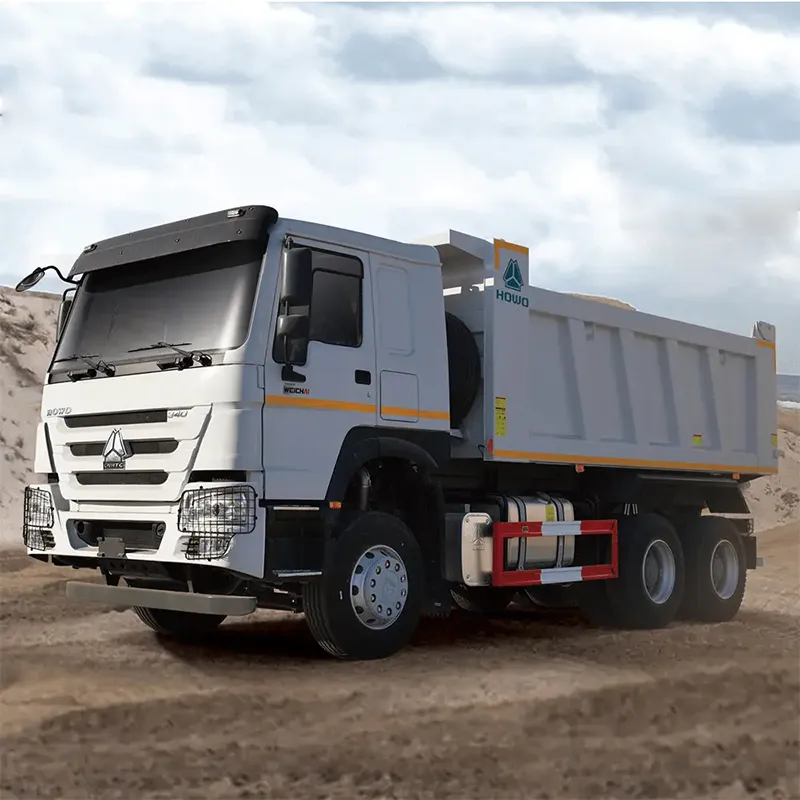
The Sinotruk Howo 340 is built for high-power applications and heavy-duty work.
Fuel Efficiency and Cost
Fuel is one of the biggest ongoing expenses for any fleet, so it matters a lot. The Sinotruk Howo 336 sips roughly 30 liters per 100 kilometers under normal conditions. That figure comes from its efficient engine mapping and moderate power output.
The Sinotruk Howo 340 uses a bit more, around 32 liters per 100 kilometers, but that extra fuel buys you more capability on tough jobs.
On acquisition cost, the Sinotruk Howo 336 is generally the friendlier option, which makes it easier for small and mid-sized businesses to get started. The Sinotruk Howo 340 sits in a higher tier because of its added capability.
Maintenance on the Sinotruk Howo 336 is usually cheaper since common parts are easy to find. The Sinotruk Howo 340 may need some specialized components, but those tend to come with longer service intervals.
Insurance for the Sinotruk Howo 336 tends to be competitive, while the Sinotruk Howo 340 may see slightly higher premiums. Both hold resale value well, though the Sinotruk Howo 336 often retains value a bit more because of its popularity.
Applications and Suitability
The Sinotruk Howo 336 is a flexible truck. You will see it in regional transport, warehousing, and agriculture, and it fits nicely into mixed fleets where routes vary day to day.
The Sinotruk Howo 340 is aimed at tougher sectors such as mining, large-scale construction, and long-distance haulage, where extra power makes a real difference.
Drivers often say the Sinotruk Howo 336 is easier to handle in crowded areas, while the Sinotruk Howo 340 feels more at home on open roads.
On emissions, the Sinotruk Howo 336 meets current standards comfortably, and the Sinotruk Howo 340 goes further with after-treatment systems that comply with stricter rules.
In cold weather, the Sinotruk Howo 336 starts reliably, and the Sinotruk Howo 340 adds pre-heating options for extra peace of mind. Cabin comfort is similar on both, though the Sinotruk Howo 340 often comes with a few more amenities.
Frequently Asked Questions
What is the main difference between the Sinotruk Howo 336 and Howo 340?
The biggest difference is power and payload. The Sinotruk Howo 336 produces 336 horsepower and handles around 25 tons GVW, while the Sinotruk Howo 340 produces 340 horsepower and can handle loads closer to 27 tons.
Which model is more fuel-efficient?
The Sinotruk Howo 336 is usually more fuel-efficient, using roughly 30 liters per 100 kilometers. The Sinotruk Howo 340 uses around 32 liters per 100 kilometers but delivers more power for heavy work.
Is the Sinotruk Howo 340 better for mining work?
Yes, in most cases. The Sinotruk Howo 340 has extra power and a higher payload rating, which suits mining and heavy construction better than the Sinotruk Howo 336.
Can the Sinotruk Howo 336 handle long-distance haulage?
It can, especially on regional routes. For very long hauls with heavy loads, the Sinotruk Howo 340 tends to be the better choice because of its extra power and stability.
Which model costs less to maintain?
The Sinotruk Howo 336 generally costs less to maintain because parts are widely available and affordable. The Sinotruk Howo 340 may need some specialized parts, but service intervals tend to be longer.
Are spare parts easy to find for both models?
Yes. Spare parts for the Sinotruk Howo 336 are very common, and parts for the Sinotruk Howo 340 are also easy to source through authorized dealers in most regions.
Which truck is better for Zambian roads?
Both handle Zambian roads well. The Sinotruk Howo 336 is a good fit for regional and mixed routes, while the Sinotruk Howo 340 is often preferred for mining corridors and long-haul routes with heavy loads.
Do both models meet emission standards?
Yes. The Sinotruk Howo 336 meets current emission standards, and the Sinotruk Howo 340 uses after-treatment systems to comply with stricter regulations.
Which model holds its resale value better?
Both hold value well. The Sinotruk Howo 336 often retains value a little better because it is more popular and easier to resell in the secondary market.
How do I choose between the Sinotruk Howo 336 and 340?
Start with your typical load, route, and terrain. If daily reliability and running costs matter most, the Sinotruk Howo 336 is a solid pick. If you need more power and payload for demanding jobs, the Sinotruk Howo 340 is worth the extra investment.
Conclusion
To sum up, the Sinotruk Howo 336 and Sinotruk Howo 340 are both strong trucks, but they suit different needs. The Sinotruk Howo 336 wins on fuel efficiency, affordability, and versatility, which makes it a smart choice for many operators.
The Sinotruk Howo 340 brings more power and load capacity for demanding jobs. When you look at total cost of ownership, the Sinotruk Howo 336 often comes out ahead, while the Sinotruk Howo 340 delivers where the work is toughest.
Think about what your fleet actually does. If daily reliability and cost savings come first, the Sinotruk Howo 336 is the way to go. For high-power tasks, the Sinotruk Howo 340 earns its place.
Both models carry Sinotruk’s reputation for quality, and this benchmark truck line continues to lead its class. As technology moves forward, we may see updates, but right now these two remain dependable picks in the heavy-duty segment.
This comparison covers the key aspects of both models. Always check with your dealer for the latest specifications and to arrange a test drive. The Sinotruk Howo 336 remains a steadfast model, and the Sinotruk Howo 340 complements it with extra capability.
