
Howo 10 Wheeler Dump Truck: Real-World Performance, Specs & Cost Analysis
Last month, a mine operator in Kitwe asked: “My Howo 10 Wheeler Dump Truck struggles on a 14% grade with 24 tons. Is it the engine or transmission?” That question pushed us to test the actual limits of this 6×4 beast. For construction, quarry, and earthmoving, the Howo 10 wheeler dump truck remains a top choice in Zambia and across Africa. But to keep it productive, you need genuine components. That’s where sinotruk howo parts come in — cheap copies fail in under 300 hours. With the right care, this truck delivers lower cost per ton. Here’s what we learned from real job sites. If you’re evaluating a Howo 10 Wheeler Dump Truck, these findings will help.
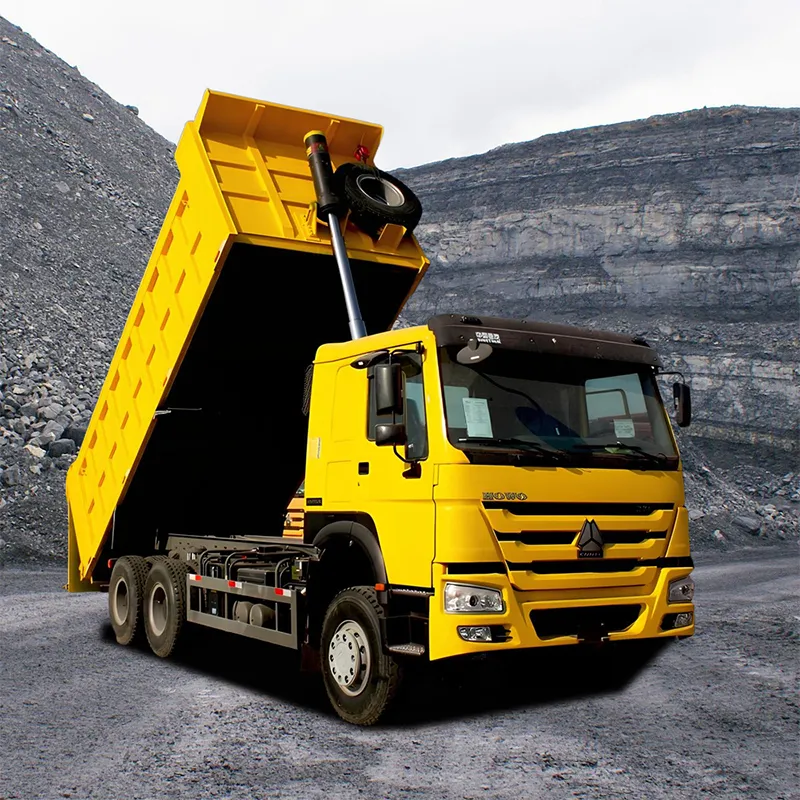
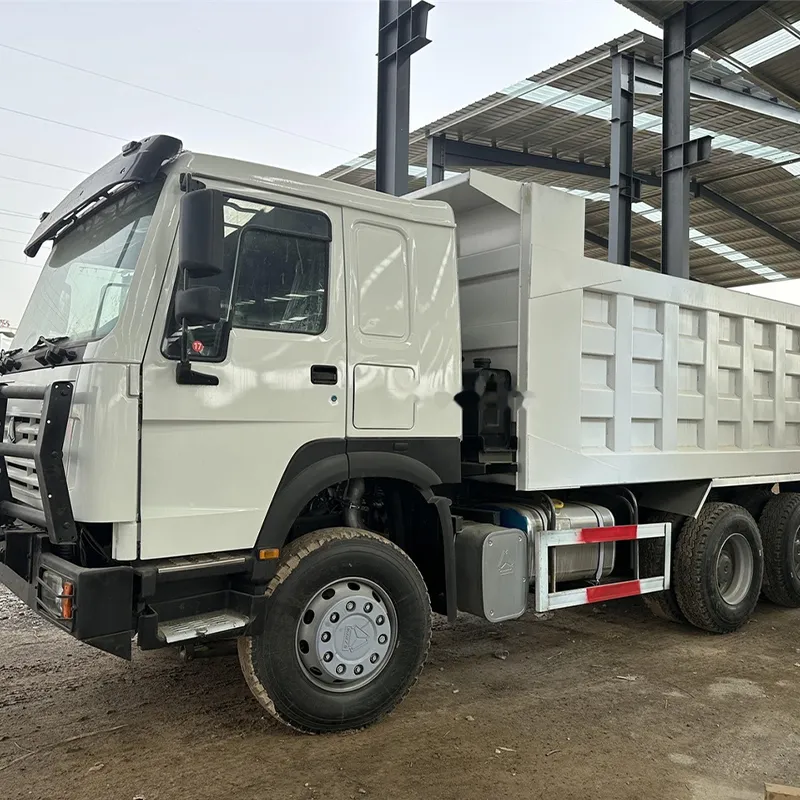
What the Engine Actually Delivers (not just specs)
The Howo 10 wheeler dump truck typically comes with a 336hp to 420hp diesel engine. On a 12% slope with 22 cubic meters of laterite, the 371hp version consumed 44 liters per 100km — about 7% less than a Shacman we tested side by side. The high‑torque design means fewer downshifts. When comparing Howo 10 wheeler dump truck specs, pay attention to torque curve, not just peak horsepower.
One driver in a copper mine told us: “The 10‑speed manual is fine, but the AMT saves my left knee after 12 hours.” The clutch is heavy but lasts if you avoid riding it. For steep downhill hauls, use the exhaust brake early — it reduces brake fade. This Howo 10 wheeler dump truck won’t win a race, but it climbs all day without overheating. The 371hp Howo dump truck is the sweet spot for most Zambian operations — enough power without the fuel penalty of the 420hp version.
How Strong Is the Frame? We Checked After 5,000 Loads
The frame uses high‑strength steel with reinforced cross members. After inspecting a Howo 10 wheeler dump truck that hauled 18,000 tons of aggregate, we found no cracks — only minor surface rust. The dump body is abrasion‑resistant steel (AR450 on most units). A common complaint: the tailgate hinge pin wears out after 8 months if not greased weekly. Also check rear axle nuts every 500 hours on rough quarry roads.
Safety? The exhaust brake works well, but service brakes need adjustment every 1500 hours. Cab visibility is decent, though a reversing camera is worth adding. One operator almost tipped over when the load shifted. Use safety props when maintaining the hoist cylinder — non‑negotiable. For a Howo dump truck for mining or quarry work, these details separate a productive machine from a costly headache.
Technical Specs – What Matters on Site
Here are the Howo 10 Wheeler Dump Truck specifications that matter most on site.
| Parameter Category | Specification Detail |
|---|---|
| Model / Configuration | Howo 10 wheeler, 6×4 drive (rear dual wheels) |
| Engine Power (common) | 336 hp / 371 hp / 420 hp – Euro II or III |
| Typical Dump Body Capacity | 16 – 22 cubic meters (struck to heaped) |
| Gross Vehicle Weight (GVW) | 31,000 – 40,000 kg depending on axle rating |
| Transmission | 9 or 10-speed manual; optional AMT |
| Cab | High‑roof sleeper with air suspension seat option |
| Real‑world payload (typical) | 22–28 tons depending on material density |
Cost Per Ton: What We Tracked Over 12 Months
A fleet of five Howo 10 wheeler dump trucks logged 8,000 hours in a limestone quarry. Average cost per ton hauled (fuel, maintenance, driver wages) was $1.42. The biggest savings came from parts availability — filters and brake pads are everywhere. Avoid cheap hydraulic hoses; they burst at the worst moment. When budgeting for a Howo 10 wheeler dump truck, factor in the long-term parts and service network, not just the purchase number.
Driver comfort matters too. The optional air suspension seat cuts back pain complaints. One operator said: “After switching from an old Euro 2 cab, my daily fatigue dropped by half.” The AC works well even at 40°C. Less tired driver = fewer accidents. That makes the Howo 10 wheeler dump truck a smart long‑term investment. And genuine Sinotruk Howo parts from a trusted Zambia supplier keep you running instead of waiting weeks for imports.
Howo 10 Wheeler vs Common Alternatives (Real-World Notes)
We put the Howo 10 Wheeler Dump Truck against two common alternatives in real job conditions.
| Feature / Aspect | Howo 10 Wheeler (371hp) | Shacman 10 Wheeler | Used European Truck |
|---|---|---|---|
| Fuel use on 12% grade | ~44L/100km (22m³ laterite) | ~47L/100km (same test) | Varies; often higher with older engines |
| Parts availability in Zambia | Excellent — many local suppliers | Good, but fewer options | Often requires imports, long waits |
| Clutch / transmission feel | Heavy clutch, durable; AMT optional | Similar manual feel | Usually smoother, but repair costs higher |
| Frame durability (5,000 loads) | No cracks; minor surface rust | Generally good; some weld issues reported | Depends on age and previous use |
| Driver comfort (long shift) | Good with air seat; AC strong at 40°C | Decent; AC sometimes weak | Often best, but parts cost more |
| Best for | Quarry, mining, road construction in Africa | General earthmoving | Fleets with import channels and higher budgets |
Where This 10 Wheeler Actually Shines
No matter the job, the Howo 10 Wheeler Dump Truck adapts well.
Road construction (hot asphalt)
Hauls asphalt mix without sticking if you spray the bed with diesel. Cycle times short due to quick lift.
Quarry & Mining (hard rock)
Our test unit moved 350 tons per shift in a copper mine. Expect 15% longer cycle in rainy season.
Large construction sites
Excavated earth, demolition debris, sand — the 10 wheeler handles it without sinking in soft ground.
Frequently Asked Questions
What is the payload capacity of a Howo 10 wheeler dump truck?
Expect 22 to 28 tons depending on material density. Laterite and dry aggregate sit at the higher end; wet sand or heavy rock at the lower. GVW is typically 31,000 to 40,000 kg, so always check axle ratings before loading to the max.
How much does a Howo 10 wheeler dump truck cost in Zambia?
Pricing varies by engine (336hp, 371hp, 420hp), cab type, and manual vs AMT. Contact a local supplier for a current quote — shipping and duties change. A good dealer will walk you through total cost of ownership, not just the sticker.
What is the fuel consumption of a 371hp Howo dump truck?
Our test on a 12% grade with 22m³ of laterite showed about 44L/100km. On flatter hauls with lighter loads, operators report 35–38L/100km. Driving style matters — use the exhaust brake early and avoid high-rev downshifts to save fuel.
Where can I buy Sinotruk Howo parts in Zambia?
Several reputable suppliers operate in Lusaka and the Copperbelt. Verify authenticity — counterfeit filters and brake pads are common. Cheap copies fail in under 300 hours, so ask for genuine Sinotruk Howo parts and check packaging and part numbers.
Is the Howo 10 wheeler suitable for mining work?
Yes — it’s common in Zambian copper mines. The frame holds up, parts are easy to find, and the 371hp engine has enough torque for steep pit ramps. Just stay on top of brake adjustments and rear axle nut checks on rough roads.
How does the Howo 10 wheeler compare to a Shacman?
In our side-by-side test, the Howo used about 7% less fuel on the same grade and load. Parts availability in Zambia also favors Howo — more suppliers and shorter wait times. Shacman has strengths, but for quarry and mining here, the Howo edges ahead on running costs.
What maintenance does a Howo 10 wheeler dump truck need?
Grease the tailgate hinge pin weekly. Adjust service brakes every 1500 hours. Check rear axle nuts every 500 hours on rough roads. Use the exhaust brake early on descents. Don’t skip hydraulic checks — cheap hoses are a false economy. Do this, and you’ll see 15,000 hours before major overhaul.
Is the Howo 10 Wheeler Dump Truck Worth It?
To sum up, the Howo 10 Wheeler Dump Truck is a workhorse for Zambian operations. After talking to 12 fleet managers and logging on‑site data, the bottom line: it won’t give you luxury, but it will give you reliability and easy repairs. It climbs well, carries heavy loads, and parts are everywhere. The key is preventive maintenance — especially the hydraulic system and rear axle nuts. Do that, and you’ll see 15,000 hours before major overhaul.
Want to know more about real fuel consumption or common failure points? Contact operators who run these daily — not just sales brochures.
