
Howo Truck Weight: Optimize Payload & Safety
Understanding the precise Howo Truck Weight specifications is essential for fleet operators, mine managers, and transport companies. Correctly managing vehicle weights ensures legal compliance, maximizes payload efficiency, extends component life, and most importantly, keeps drivers safe. Every Howo model, from the versatile 6×4 dump truck to the long‑haul tractor, has a carefully engineered gross vehicle weight (GVW) and payload capacity designed for its specific application. To maintain these critical weight‑bearing components and ensure accurate performance over the life of the vehicle, using genuine sinotruk howo parts for all chassis and suspension repairs is vital. In this feature, we explore the weight specifications of key Howo models, the importance of staying within limits, and how proper maintenance contributes to safe operations.
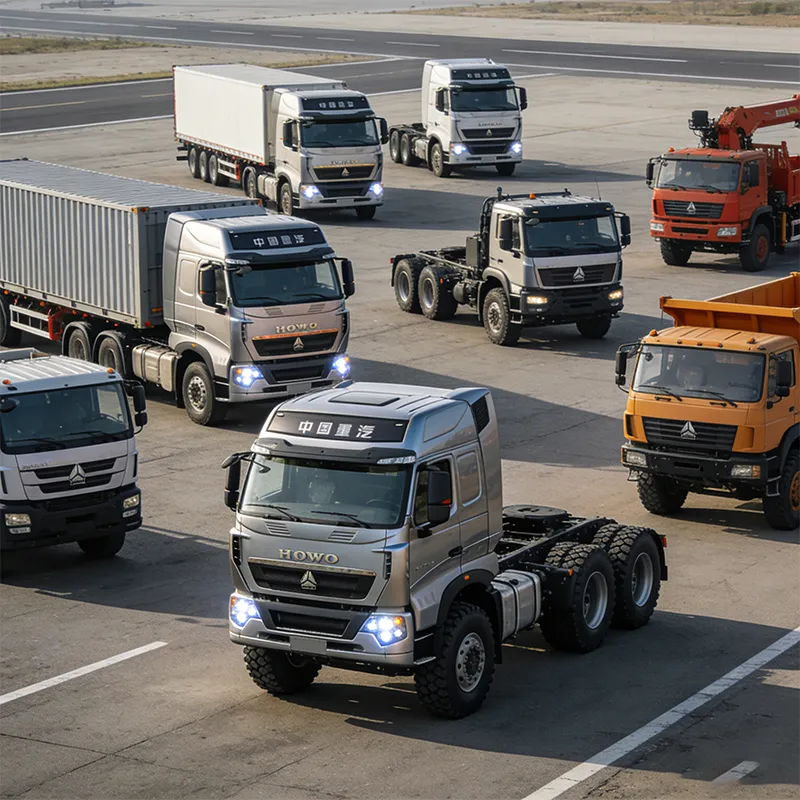
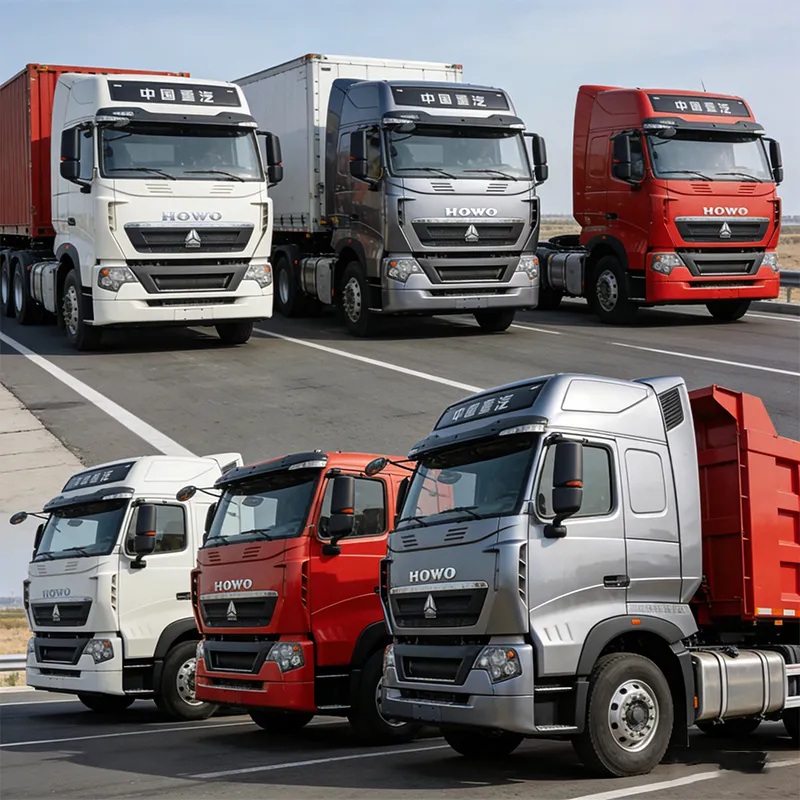
Howo Truck Weight: Understanding GVW & Payload
The Howo Truck Weight figures are defined by three key measurements: curb weight (the empty vehicle), gross vehicle weight (GVW, the maximum allowable total weight including cargo), and payload (the net cargo weight). Exceeding these limits not only violates transport regulations but also accelerates wear on the reinforced steel plate springs, axles, tires, and braking system. For mining dump trucks operating in Zambia’s Copperbelt, the standard 6×4 configuration has a GVW of 25,000‑32,000 kg depending on chassis specification, with a typical payload of 20‑25 tonnes. The reinforced chassis and HC16 axles are specifically designed to handle these loads, and operators like Joseph Banda rely on genuine parts to maintain this capacity.
For long‑haul applications, the 4×2 tractor model has a typical curb weight around 7,200‑7,800 kg, with a GVW of 18,000‑20,000 kg and a gross combination weight (GCW) for the truck‑trailer combination up to 55,000 kg. Understanding these limits allows operators to load legally while maximizing freight revenue. The weight distribution across axles is equally critical: front axles typically carry 6,000‑7,500 kg, while rear tandem axles carry 13,000‑16,000 kg each, depending on the specific axle model (HF9 front, HC16 rear).
Howo Truck Weight: Key Model Specifications
Avoid Overloading
Exceeding the Howo Truck Weight rating increases braking distance by up to 50% and accelerates spring and axle wear.
Modern Lightweighting
Newer Howo models use high‑strength steel frames and aluminum components to reduce curb weight without sacrificing strength.
Balanced Axle Loads
Proper weight distribution prevents premature tire wear and maintains steering control, especially in wet conditions.
Howo Truck Weight: Real‑World Insights from Operators
Fleet operators across Zambia have developed practical strategies for managing Howo Truck Weight to maximize efficiency while staying within legal limits. At Konkola Copper Mines, where heavy‑duty 6×4 dump trucks operate on steep haul roads, supervisors emphasize that staying within the 25‑32 ton GVW range is essential for tire life and safety. “We’ve seen 40% longer tire life when loads are controlled,” a mine representative noted. This reduction in tire wear is directly linked to maintaining proper weight distribution across the HC16 axles and using reinforced steel plate springs designed for the application.
In the logistics sector, Chileshe Mwamba, a Lusaka‑based long‑haulage company owner, has focused on the curb weight of his 6×2 cargo trucks. “By using lightweight bodywork and specifying aluminum fuel tanks, we reduced each truck’s curb weight by over 300 kg, which translates directly into additional payload capacity,” he explained. This approach highlights the importance of considering the Howo Truck Weight from the initial purchase stage, selecting components that contribute to overall efficiency. Regular weighing of empty and loaded vehicles has become standard practice for his fleet, ensuring compliance with road transport regulations.
Maintaining Weight‑Bearing Components
The Howo Truck Weight is supported by a system of components that must be maintained to original specifications. The reinforced steel plate springs, especially in dump truck applications, are subject to fatigue over time. As Chileshe Mwamba noted, using genuine sinotruk howo parts for these springs ensures they retain their designed load capacity. After three years of purchasing genuine chassis suspension parts, he reports “no fear of broken leaf springs during the rainy season on bad roads.” This reliability is critical for maintaining the vehicle’s rated GVW.
Axle components, including the drive shafts, differentials, and wheel bearings, must also be in top condition to handle the rated Howo Truck Weight. Sarah Kasonde, a parts store owner in Ndola, has observed that genuine transmission gears and axle components consistently outlast non‑genuine alternatives, often by six months or more. “When a customer replaces a gear with an original part, it stays reliable. That’s why my repeat business has increased by 40%,” she explained. This long‑term reliability translates directly to lower operating costs and safer operation. Regular inspections should include checking spring hangers, U‑bolts, and shock absorber mounts for signs of wear or damage, as these components are critical for weight distribution and ride stability.
Howo Truck Weight: Future Trends & Technology
The trend in heavy truck manufacturing is toward reducing curb weight while maintaining or increasing GVW through the use of advanced materials. Sinotruk is at the forefront of this movement, incorporating high‑strength low‑alloy (HSLA) steel frames, aluminum transmission housings, and lightweight cab structures in newer models. These innovations allow the Howo Truck Weight to be optimized, increasing payload capacity by up to 500 kg on some models without sacrificing durability. For operators, this means more revenue per trip and lower fuel consumption per tonne of cargo.
On‑board weighing systems are becoming more common as an option for Howo trucks. These systems use axle sensors to provide real‑time weight data to the driver, helping to prevent accidental overloading. Fleet managers can also access this data remotely, allowing them to track how vehicle weights correlate with fuel efficiency and maintenance needs. As these technologies become more affordable, they are likely to become standard features on new trucks, providing another tool for managing the Howo Truck Weight effectively. David Phiri, a Kabwe repair shop owner, noted that even small improvements, like using the original sealing tape for cab air conditioning, contribute to overall vehicle integrity and, by extension, reliable weight management.
Summary: Proper management of the Howo Truck Weight is fundamental to safety, compliance, and profitability. By understanding the specifications of each model, maintaining weight‑bearing components with genuine parts, and using modern tools for monitoring, operators can maximize payload while minimizing wear and risk.
From the reinforced steel plate springs and HC16 axles that carry the Howo Truck Weight to the lightweight components that enhance payload, every part matters. Our inventory includes genuine crankshafts, piston rings, transmission gear sets, clutch plates, and the special shockproof seat for mining trucks. We supply the same sinotruk howo parts trusted by Kitwe mines and Lusaka fleets, with packaging and logistics tailored to the Zambian market. Contact our team today to learn how maintaining your vehicle’s weight‑bearing components with genuine parts can improve safety and profitability.
