
Howo 420: Versatile Power for Heavy Transport
For heavy haul in Africa, the Howo 420 is a workhorse – 420 hp, 1820 Nm, and a chassis that takes overloads. But long‑term reliability depends on two things: maintenance discipline and parts quality. This guide gives you real‑world fuel economy, known weak points (3rd‑gear synchro, A/C filter access, intercooler hoses), and a clear cost comparison with Shacman. And because downtime kills profitability, we highlight why genuine sinotruk howo parts pay for themselves in the long run.
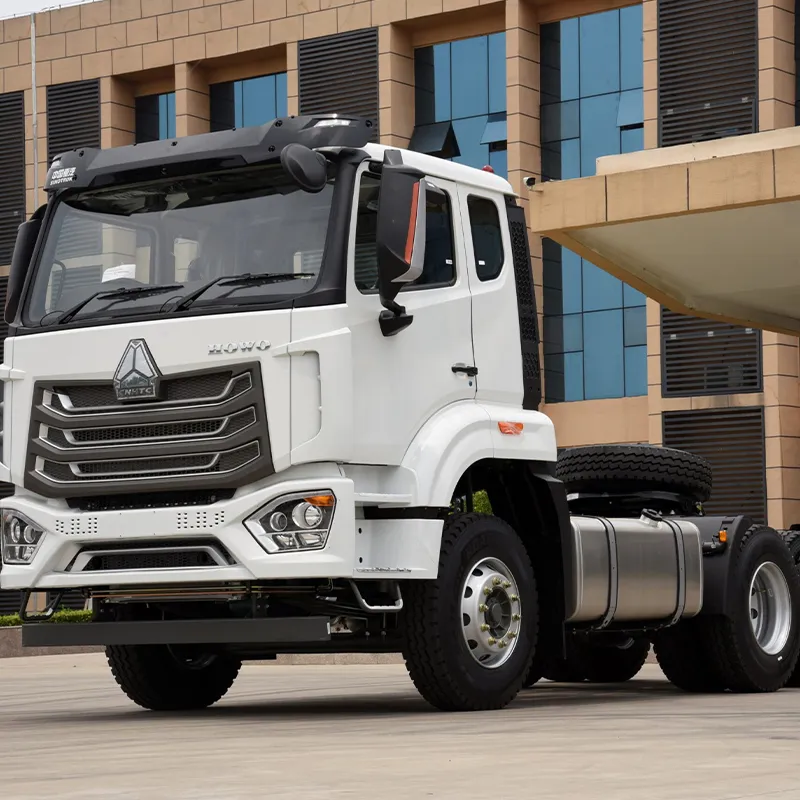
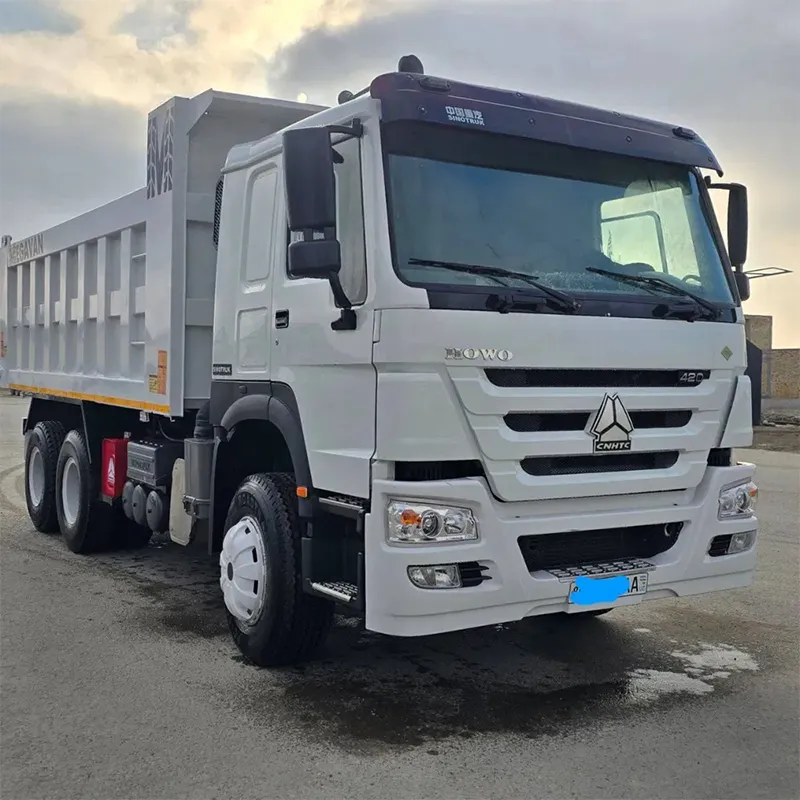
What’s Under the Hood
Most Howo 420 trucks come with the D12.42 engine – an 11.6‑litre inline‑six turbo diesel pushing 420 hp at 2000 rpm. Peak torque is 1820 Nm from 1100 to 1400 rpm. That means strong pull on climbs or when moving off with a full load. To be honest, that 1820 Nm feels a little softer on steep gravel roads compared to a European truck with the same rated torque – but given the price, it’s hard to complain. For detailed Howo 420 specs, see the table below.
The engine uses direct injection and turbo intercooling. Bore and stroke are 126 mm x 155 mm, compression ratio around 17:1. Simple design, no need for a fancy workshop.
Gearbox is usually the HW19710, a 10‑speed manual with two reverse gears. Torque rating is 1900 Nm, matching the engine well. First gear ratio is 14.28, tenth is 1.00 – good startability and relaxed cruising. The only gripe: third‑gear synchro can get a bit notchy after heavy use on dusty roads. But a rebuild kit is half a day’s work. Some trucks come with a 12‑speed HW19712 instead. The clutch is a 430 mm diaphragm type with hydraulic assist – heavy‑duty enough for repeated stop‑start work.
Quick Specs: Howo 420
* Note: Fuel consumption based on 45 tons GCW, flat highway. Mountain or wet season raises numbers.
What Fleet Operators Say
“The clutch lasted 60k km in the mine – better than I expected. We keep genuine Howo 420 parts in stock and change oil every 20k km. No major breakdowns.”
“Passed 280,000 km without touching the engine. The HW19710 box is tough, but avoid fake gear oil – that kills the synchros fast.”
“We run 12 Howo 420 tippers on the Copperbelt. The HC16 hubs are bulletproof. Only common issue is the A/C filter placement – we fitted an external guard.”
420hp that pulls
1820 Nm torque means you can haul 40 tons without feeling like you’re dragging an anchor. Drivers like the way it climbs.
Built tough
300x80x8mm frame, HF9 front axle, HC16 rear hubs. This chassis takes a beating and stays straight.
One truck, many jobs
Tractor, tipper, tanker, flatbed—the Howo 420 works in logistics, construction, and mining. Simple.
How It Works in the Real World
In the Copperbelt (around Kitwe), many fleets swear by the Howo 420. A driver named Davy told me his truck passed 280,000 km without touching the engine. The manual says change oil every 30k km actually in dusty conditions you do it at 20k km, but it’s cheap. The HW19710 gearbox, as long as you avoid fake gear oil, will last. One thing on the HC16 hub reduction: don’t use aftermarket oil seals, they’ll leak within six months.
In tipper form, the hydraulic lift is fast – no waiting around. The cab (either HW76 or A7) tilts hydraulically to about 60 degrees, so mechanics can reach the engine without breaking their backs. A/C and a decent seat make long shifts bearable – but that A/C filter location really is a pain; you have to remove three screws blind.
Keeping It Running Right
The Howo 420 isn’t complicated, but the D12.42 engine is fussy about filters and injector seals. Cheap ones will kill the injection pump – don’t ask how I know. The 430 mm clutch disc wears out eventually – normal. Brake chambers and suspension bushes are also common replacements. Always check your VIN before ordering HC16 diff parts. Looking for Howo 420 parts price? Genuine fuel system components are worth the extra cost.
Parts availability for the Howo 420 is generally good across Africa. Service interval: 30,000‑50,000 km for standard loads, but shorten to 20,000 km in heavy dust or overload. By the way, the factory intercooler hoses tend to harden with heat – worth keeping a spare pair.
Common Problems & Solutions for Howo 420
No truck is perfect. Based on fleet feedback from the Copperbelt and cross-border routes, here are the most frequent Howo 420 gearbox problems and other common issues, along with proven fixes:
Symptom: Grinding noise or resistance when shifting into third gear. Fix: Change gear oil with genuine GL-5 every 30,000 km, avoid power-shifting. If worn, replace synchro assembly – about half a day’s labour.
Symptom: Replacing the cabin filter requires crawling underneath and removing three hidden screws. Fix: Install an external splash guard to reduce filter clogging, and keep spare filters onboard.
Symptom: Rubber hoses become brittle and crack under high heat, causing boost pressure loss and reduced power. Fix: Replace with genuine silicone hoses every 150,000 km or 2 years. Mine operators often carry a spare set.
Symptom: Heavy clutch pedal or sluggish brake response due to water in air system. Fix: Drain air tanks daily, replace dryer cartridge every 50,000 km. Adjust clutch booster push‑rod free play to 3‑5 mm.
Comfort and Safety Bits
The cab sits on four‑point floating suspension with shock absorbers – you don’t feel every pothole on the Lusaka‑Ndola road. Power steering (ZF8118 or ZF8098) makes maneuvering easy. The exhaust brake helps on long downhill sections, but don’t expect a hydraulic retarder – different price bracket. Later models have ABS as an option, worth the extra cost.
Large convex mirrors and a three‑speed wiper system with washers improve visibility in bad weather. The sleeper cab is practical, though sound insulation is average – earplugs recommended for light sleepers (just saying).
Bottom line: The Howo 420 is a solid, no‑nonsense truck. It won’t win any beauty contests, but it will earn its keep. 420 horsepower, a tough gearbox, and heavy axles make it a smart choice for logistics, construction, or mining. Stick with genuine parts and regular maintenance, and it will run for years.
Frequently Asked Questions
Need parts for your Howo 420? We stock genuine D12 engine kits, HW19710 gearbox parts, HC16 axle components, and full brake systems. Same parts used by Copperbelt mines and cross‑border fleets. Contact us with your VIN, and we’ll help you find the right fit.
