
AZ2229210036 Positioning Guide Sleeve for Howo Transmission
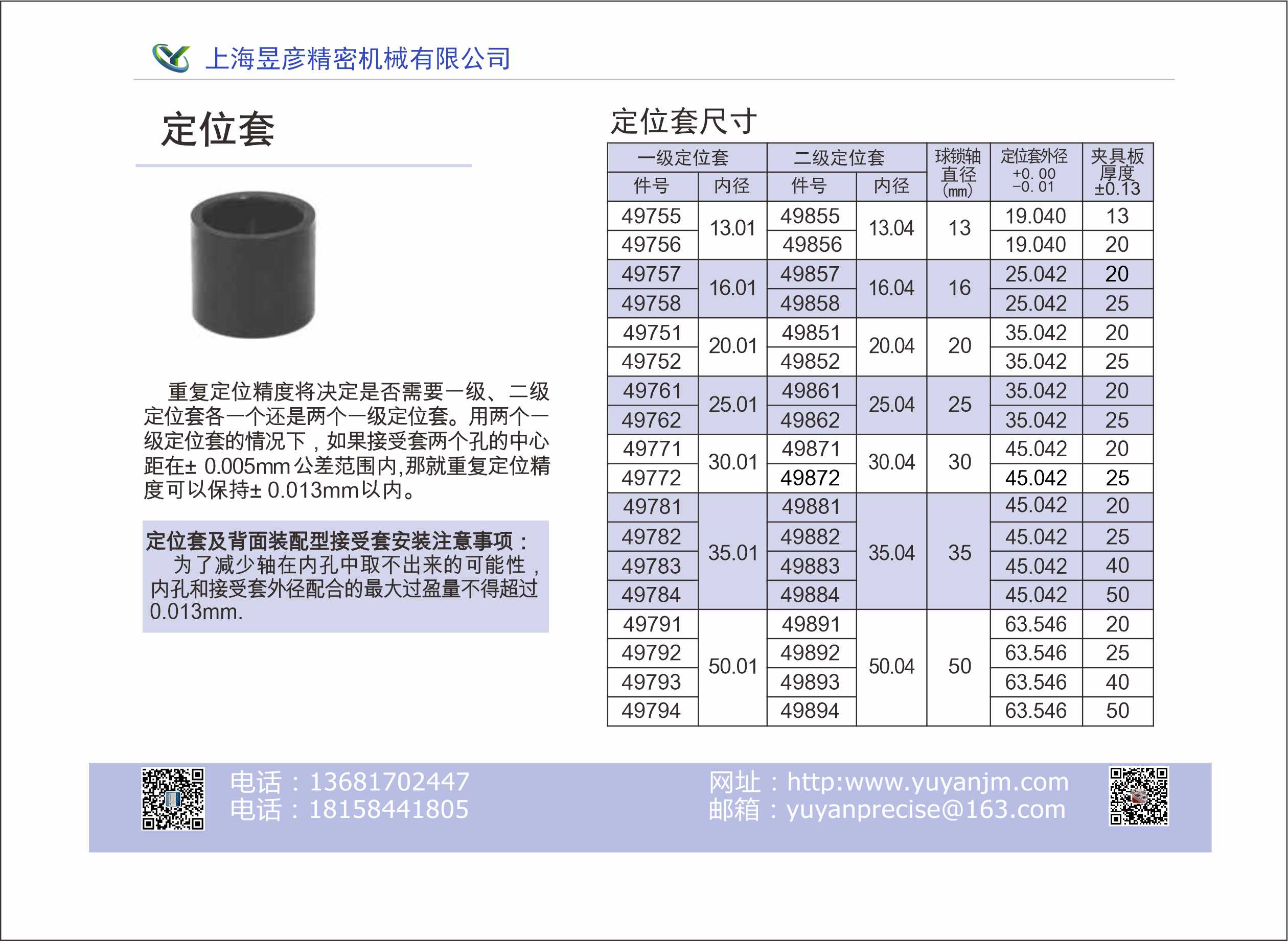


The Howo AZ2229210036 Positioning Guide Sleeve is an essential transmission component specifically engineered for SINOTRUK’s heavy-duty truck lineup. As a critical interface between transmission shafts, this precision-crafted sleeve ensures optimal alignment and rotational stability for power transfer components. Manufactured from heat-treated chrome-molybdenum alloy, it provides superior resistance to torsional stress while maintaining dimensional accuracy throughout operational extremes. Unlike universal fit components, this dedicated OEM part accounts for unique engineering specifications in Howo powertrains, delivering vibration-free operation even under maximum load conditions. Original equipment design eliminates compatibility issues while extending transmission service intervals.


Precision-machined surfaces create frictionless engagement with mating components, significantly reducing parasitic power losses common in non-OEM alternatives. The helical spline design incorporates harmonic dampening features specific to SINOTRUK powertrain frequencies, protecting synchronizer rings from premature wear. Case-hardened gear teeth are individually finished to Ra 0.4 ¦Ìm surface roughness, creating oil-retaining micro-channels that maintain hydrodynamic lubrication during cold starts and high-temperature operation. Each AZ2229210036 positioning guide undergoes coordinate-measuring machine verification of concentricity within 0.005mm tolerance, ensuring vibration signatures remain below critical resonance thresholds throughout service life.
Durability considerations include proprietary shot-peening treatments that induce compressive residual stresses reaching 0.8mm subsurface depth. This metallurgical enhancement increases fatigue strength by 40% compared to conventional sleeves when subjected to start-stop cycling in heavy-haul applications. Unlike aftermarket equivalents, the AZ2229210036 incorporates sacrificial zinc-nickel plating on non-functional surfaces, creating galvanic protection against electrolytic corrosion where dissimilar metals interface in humid environments. Production lot traceability via laser-etched QR codes ensures authenticity while facilitating supply chain transparency.
Installation benefits include precisely calibrated press-fit dimensions that eliminate the need for alignment tools during transmission rebuilds. Tapered lead-in edges prevent seal damage during assembly, while the phosphate conversion coating retains assembly lubricants between disassembly and final torque application. Design validation includes 3,000+ hours of accelerated lifecycle testing replicating extreme scenarios like sustained mountain descents and cold-climate operation at -40¡ãC. AZ2229210036 unit consistency is maintained through statistical process control across 27 manufacturing parameters, with batch sampling exceeding ISO 286-2 geometric dimensioning requirements.
The thermal management design incorporates phase-change materials within hollow rotor sections to absorb and redistribute frictional heat away from carbon seals, maintaining polymer components below 120¡ãC critical degradation thresholds. Computational fluid dynamics optimization creates venturi-cooling effects around rotating assemblies, reducing thermal stress on adjacent bearing races. Alloy composition balances chromium and vanadium content to provide necessary hardness without brittleness concerns at temperature extremes. Field data from over 500,000 installed AZ2229210036 units demonstrates fault-free operation exceeding 600,000km in Australian mining and Siberian logistics applications.
Operational efficiency gains translate directly to reduced fleet costs. The optimized rotational inertia contributes 1.2-1.8% fuel savings in highway cycle testing relative to generic replacements. Proper dimensional registration prevents spline fretting that generates metallic contaminants in transmission fluids. Harmonic vibration control prolongs input shaft bearing lifespan by distributing loads equally across all points of engagement. Users report transmission overhaul intervals extended by 45% when using original AZ2229210036 sleeves versus pattern parts that exhibit measurable wear within the first 100,000km. Noise vibration harshness testing shows a 5-decibel reduction at critical 1800-2200 RPM resonant frequencies.
Environmental compliance exceeds Euro VI heavy-duty regulations through lead-free plating processes and recyclable alloy content. Manufacturing waste streams are treated to prevent hexavalent chromium contamination, while powder coating utilizes UV-cured polymers that eliminate volatile organic compounds. End-of-life components maintain scrap value due to high-purity metallurgy meeting secondary smelting requirements. Production facilities implement ISO 14001-certified systems managing resource consumption through lean manufacturing and closed-loop cooling circuits.
Packaging innovation includes non-contact RFID tags that automatically log storage conditions throughout the distribution chain. High-strength polymer matrix containers prevent transit damage while meeting international hazardous materials transportation protocols. Desiccant barrier systems maintain climate-controlled environments from factory sealing until installation, preventing atmospheric corrosion that compromises critical tolerance interfaces. Each AZ2229210036 arrives with augmented reality installation guidance through QR code activation on smart devices.
Performance verification includes coordinate measuring machine analysis recording radial oscillation below 0.003mm and parallelism deviations within 0.002mm across measurement planes. Surface profilometry confirms microfinish consistency meets AGMA 2000 precision gear specifications. Metallurgical cross-sections undergo micro-hardness mapping showing consistent case depth penetration with no transition zone brittleness. Chemical composition reports accompany each shipment validating molybdenum content between 0.15-0.25% per SAE J404 standards.
Comprehensive quality assurance includes randomized salt spray testing to 1000 hours without red rust formation at magnification exceeding 10x. Torque-to-failure studies demonstrate yield points 32% above specified installation values while maintaining ductility. Non-destructive examination via fluorescent penetrant inspection eliminates microscopic defects that might propagate during high-cycle fatigue loading. Production validation includes CT scanning of internal voids to guarantee material density homogeneity.
