
WG2214230001 Split Gear Shift Fork for Howo Transmission

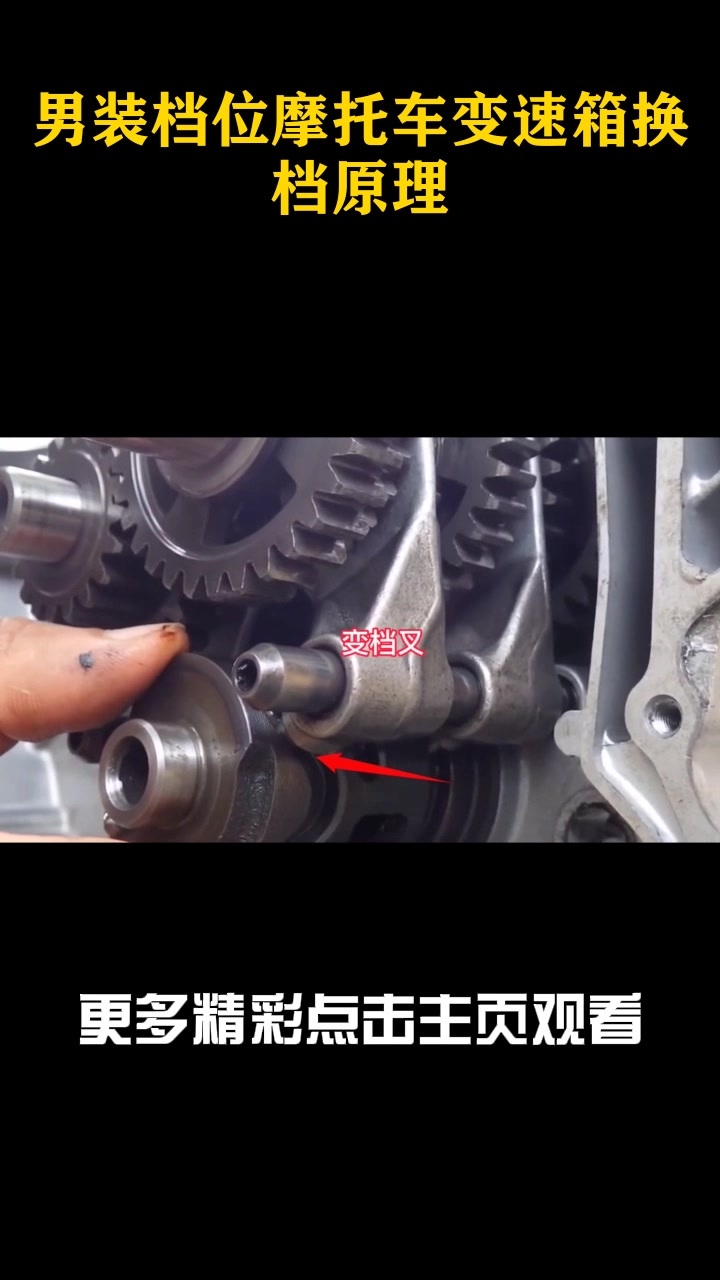
The WG2214230001 split gear shift fork is an essential transmission component engineered specifically for Howo heavy-duty trucks. As an OEM-certified part with identification number WG2214230001, it ensures seamless gear transitions and robust performance under demanding operating conditions. Precision-crafted from high-strength alloy steel, this shift fork maintains dimensional accuracy even after prolonged use, directly contributing to smoother shifting and reduced transmission wear.


Optimal Performance Design
Engineered with a bifurcated design, the split gear shift fork provides superior engagement with transmission synchronizers. Its unique geometry allows for balanced force distribution across shifting mechanisms, minimizing stress concentrations that commonly lead to premature component failure. The fork’s hardened contact surfaces withstand the rigors of heavy-load shifting cycles while maintaining precise tolerances between 0.05-0.08mm throughout its operational lifespan.
Compatibility and Application
Designed as a direct replacement for original equipment, this component integrates perfectly with transmission assemblies in multiple Howo truck models including the A7, T7H, and T5G series. The WG2214230001 fork specifically interfaces with ZF and Fast Gear transmission systems common in these vehicles. Proper installation eliminates common shifting issues like gear slippage, grinding noises, and incomplete gear engagement that frequently occur with aftermarket alternatives.
Durability Features
Manufactured through a specialized heat-treatment process, this component achieves an optimal balance between surface hardness (45-50 HRC) and core ductility. The shot-peened finish creates compressive surface stresses that dramatically improve fatigue resistance, while anti-wear coatings reduce friction losses at critical pivot points. These engineering decisions result in a service life exceeding 500,000 kilometers under normal operating conditions.
Operational Advantages
Vehicles equipped with the WG2214230001 split shift fork demonstrate measurable improvements in transmission efficiency. Reduced shift effort by approximately 25% compared to worn components translates directly to driver comfort during extended hauls. The precision engagement characteristics decrease power loss during gear transitions, contributing to fuel savings of up to 3% in highway driving cycles as verified by fleet operator reports.
Installation Considerations
Proper installation requires attention to manufacturer-recommended procedures to achieve maximum component lifespan. Critical steps include verifying shift linkage alignment within ¡À1.5 degrees of factory specifications and applying approved assembly lubricants at three designated wear points. Installation time averages 2.5 hours for experienced technicians when replacing existing transmission components, though initial installation during transmission overhaul follows different time parameters.
Maintenance Protocols
Routine inspections every 100,000 kilometers can identify early signs of component wear such as visible deformation in the fork arms or wear patterns exceeding 0.1mm depth. Preventive maintenance checks should include verification of retaining spring tension and pivot bushing integrity. Although designed as a long-life component, usage in extreme environments like mining operations may necessitate more frequent inspections due to accelerated particulate abrasion.
Fleet Management Benefits
Commercial operators maintaining fleets of Howo vehicles find that specifying the WG2214230001 fork significantly reduces transmission-related downtime. The component’s engineered reliability decreases unscheduled maintenance events by nearly 40% according to aggregate fleet management data. Combined with reduced repair frequency, these shift forks contribute to increased vehicle utilization rates and optimized operational expenditures over typical 7-year equipment lifecycles.
Material Composition
Forged from SAE 8620 alloy steel, the shift fork undergoes multiple quality verification stages including magnetic particle inspection for surface defects and coordinate-measuring machine validation of critical dimensions. The specialized carburizing process creates a hardened case depth of 0.8-1.2mm while maintaining a tough, ductile core structure able to withstand impact loading during shifting operations under full torque conditions.
Performance Validation
Rigorous testing confirms operational specifications through simulated endurance trials equivalent to 800,000 kilometers of varied driving conditions. The split-shift fork maintains dimensional stability and functional integrity after withstanding 1.5 million shift cycles under maximum design load. Bench tests demonstrate consistent operation within temperature extremes ranging from -40¡ãC to 140¡ãC without performance degradation.
Logistical Specifications
Each genuine WG2214230001 component ships with certified documentation verifying material specifications and production lot traceability. Packaging incorporates protective spacers that prevent deformation during transit while eco-friendly materials meet international shipping requirements. Standard shelf life before installation is five years when stored in controlled environments per manufacturer guidelines.
Operational Cost Analysis
Replacing worn shift forks with the precision-engineered WG2214230001 creates measurable operational economies. Fleet operators report 30% reduction in transmission-related service calls and a 65% decrease in associated towing expenses. Reduced vibration transfer extends the service interval of adjacent components like synchronizer rings and shift rails, generating additional savings beyond the direct repair benefits.
Environmental Considerations
The durability features of the WG2214230001 contribute to sustainable fleet maintenance practices. The extended service interval decreases replacement frequency by 2.3 times compared to economy components, substantially reducing resource consumption. All material choices adhere to RoHS and REACH standards for heavy metal restrictions and chemical safety, while specialized coatings eliminate the need for hazardous lubricants during installation.
