
Howo 340 vs Howo 370: Power Comparison
When selecting a heavy‑duty truck for demanding operations, the choice between the Howo 340 and the Howo 370 often centers on power requirements and fuel efficiency. The Howo 340, with its robust 340 hp engine, has proven itself in medium to heavy construction and mining applications. Meanwhile, the Howo 370 delivers an additional 30 hp for those who need extra torque on steep gradients and heavy haul routes. Both models share the legendary Sinotruk Howo chassis and drivetrain durability. To maintain peak performance, it is essential to use genuine sinotruk howo parts for all servicing. This article provides a detailed comparison of the Howo 340 and Howo 370 to help you decide which engine best suits your needs.
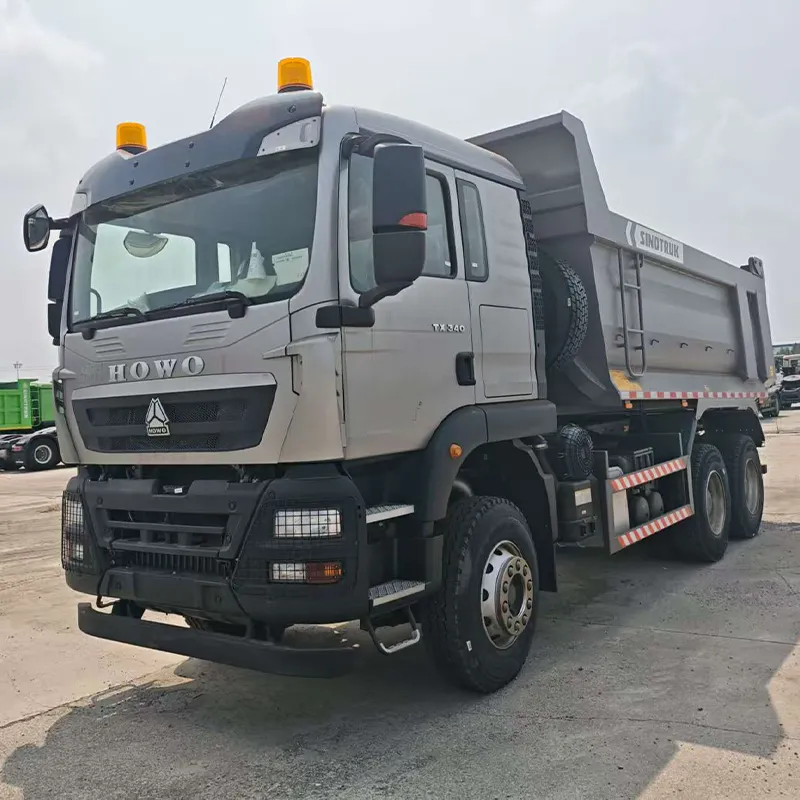
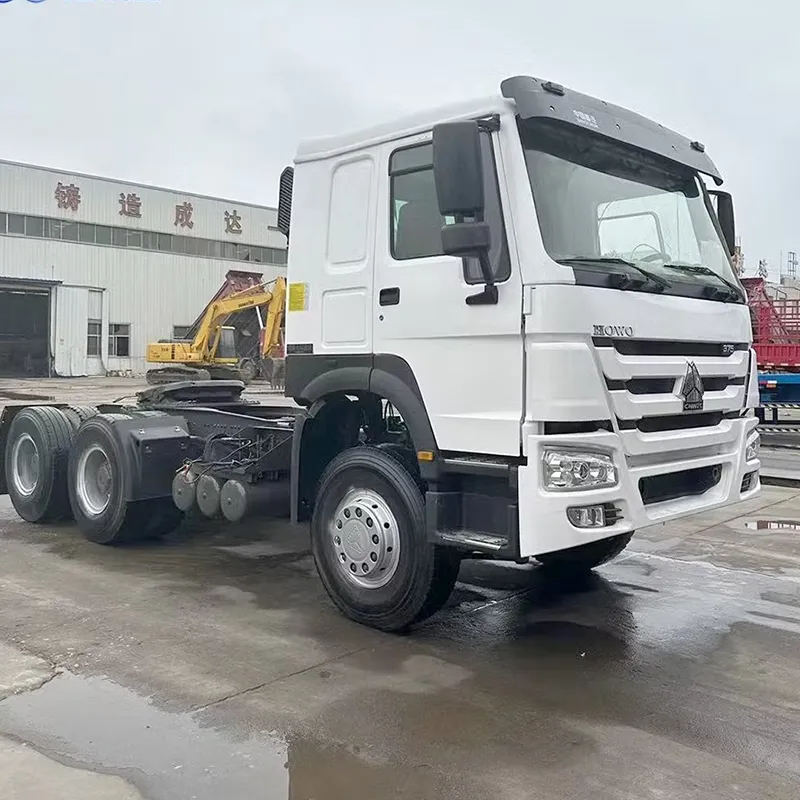
Engine Performance: Howo 340 vs Howo 370
Howo 340 Engine
The Howo 340 is powered by the WD615.95 diesel engine, delivering 340 hp at 2200 rpm and 1350 N·m of torque. This 9.726L inline‑six features common‑rail injection and a wastegate turbocharger, providing excellent fuel economy and reliable power for mixed haul roads. The Howo 340 is a favorite for regional construction and medium‑duty mining operations.
Howo 370 Engine
The Howo 370 steps up with the WD615.96 engine, producing 370 hp and 1500 N·m of torque. With a larger turbo and optimized fuel mapping, it offers stronger low‑end response for steep grades and heavier payloads. Both engines share the same displacement and block, but the Howo 370’s tuning gives it a clear advantage in torque‑demanding applications.
Howo 340 vs Howo 370: Technical Specifications
The table below compares key specifications of the Howo 340 and Howo 370. All data is based on standard 6×4 dump truck configurations; actual figures may vary slightly by market and model year.
Application Suitability: Howo 340 vs Howo 370
The Howo 340 is ideally suited for general construction, quarry work, and medium‑distance haulage where payloads rarely exceed 22 tons. Its balanced power and fuel efficiency make it a cost‑effective choice for fleets operating on mixed terrain.
The Howo 370, with its extra 30 hp and 150 N·m torque, excels in steep mining access roads, heavy overburden removal, and applications where gradeability is critical. It can maintain higher speeds on inclines, improving cycle times.
Both models share the same robust chassis and suspension, making them equally capable in off‑road conditions. The choice often comes down to whether the extra power of the Howo 370 justifies its slightly higher fuel consumption.
The Howo 340 has built a reputation for reliability and fuel economy in medium‑duty applications. Its 340 hp engine delivers ample power for 6×4 dump trucks carrying 20‑22 tons of material, while maintaining fuel consumption around 35‑40 L/100 km under typical conditions. Many operators choose the Howo 340 for its proven mechanical simplicity and the widespread availability of spare parts. The engine uses an electronically controlled unit pump system that balances performance with serviceability. This makes the Howo 340 a popular choice in regions where access to advanced diagnostic tools may be limited but trained mechanics are available.
The Howo 370, on the other hand, offers a noticeable power boost that translates into better performance on steep grades and under heavy loads. The extra 30 hp and 150 N·m of torque allow the Howo 370 to climb the same hills in a higher gear, reducing fuel consumption per ton‑kilometer despite the higher peak output. Operators report that the Howo 370 can handle payloads up to 25 tons in demanding mining environments without straining the engine. The engine features a larger intercooler and a more efficient turbocharger, which also contribute to lower exhaust temperatures during sustained heavy hauling. This makes the Howo 370 a preferred choice for hot climates and high‑altitude operations.
Both the Howo 340 and Howo 370 share the same HW76 cab, offering excellent driver comfort with air suspension seats, air conditioning, and a well‑laid‑out dashboard. The cabs are designed to reduce noise and vibration, improving driver alertness during long shifts. Safety features such as ABS and exhaust brakes are optional on both, but many fleets opt to include them for enhanced safety on downhill hauls. The chassis layout is identical, with the same frame rail dimensions and suspension configurations, so bodybuilders can use the same mounting points for dump bodies, fuel tanks, and other equipment. This commonality simplifies fleet standardization and reduces spare parts inventory.
When evaluating total cost of ownership, the Howo 340 often has a slight advantage in lighter applications due to its lower initial purchase price and better fuel economy when not fully loaded. However, for operations that consistently push near the vehicle’s maximum capacity or face steep grades, the Howo 370 can deliver lower fuel consumption per ton moved and faster cycle times, offsetting its higher upfront cost. Maintenance costs are similar, as most drivetrain components (transmission, axles, brakes) are identical between the two models. The key difference lies in the engine’s turbocharger and injection system; the Howo 370’s larger turbo may have a shorter lifespan if subjected to extreme dust without proper filtration.
Parts availability is excellent for both the Howo 340 and Howo 370, thanks to Sinotruk’s extensive global network. Genuine sinotruk howo parts ensure that engine components, gaskets, and filters meet original specifications, extending the life of the vehicle. Many aftermarket suppliers also offer parts, but quality can vary. For critical components like injectors, turbochargers, and cylinder heads, genuine parts are strongly recommended to maintain performance and warranty coverage. Both models benefit from the same robust supply chain, so downtime for repairs is minimized. Regular maintenance using genuine parts can easily push the service life of these trucks beyond 800,000 kilometers.
In summary, the choice between the Howo 340 and Howo 370 hinges on your specific operational requirements. The Howo 340 is a proven, economical workhorse for general construction and medium‑duty haulage, while the Howo 370 offers a power boost for those who need to tackle tougher conditions without stepping up to a larger displacement engine. Both models uphold the Sinotruk reputation for durability and value, and with proper maintenance using genuine parts, they can deliver many years of reliable service. Whether you choose the Howo 340 or the Howo 370, you can be confident in the engineering and support behind each vehicle.
Both the Howo 340 and Howo 370 exemplify Sinotruk’s commitment to providing versatile, durable trucks for global markets. Whether you prioritize fuel economy and simplicity with the Howo 340, or need the extra muscle of the Howo 370, you can be confident in the engineering and support behind each vehicle.
To discuss your specific requirements and receive detailed specifications for the Howo 340 or Howo 370, please use the contact button above. Authorized Sinotruk dealers are ready to assist you with expert advice and competitive pricing.
