
Howo 430 vs Howo 480: Which Powertrain Wins?
The Sinotruk Howo series dominates the heavy-duty truck segment, and two models constantly compared are the Howo 430 and the Howo 480. Whether you’re hauling mining loads or transporting goods across Zambia, the Howo 430 offers a balance of power and economy that suits diverse terrains. For fleet owners, maintaining peak performance means choosing genuine sinotruk howo parts – from engine components to drivetrain spares. In this comparison, we’ll break down every technical detail to help you decide between the proven 430 and its big brother, the Howo 480.
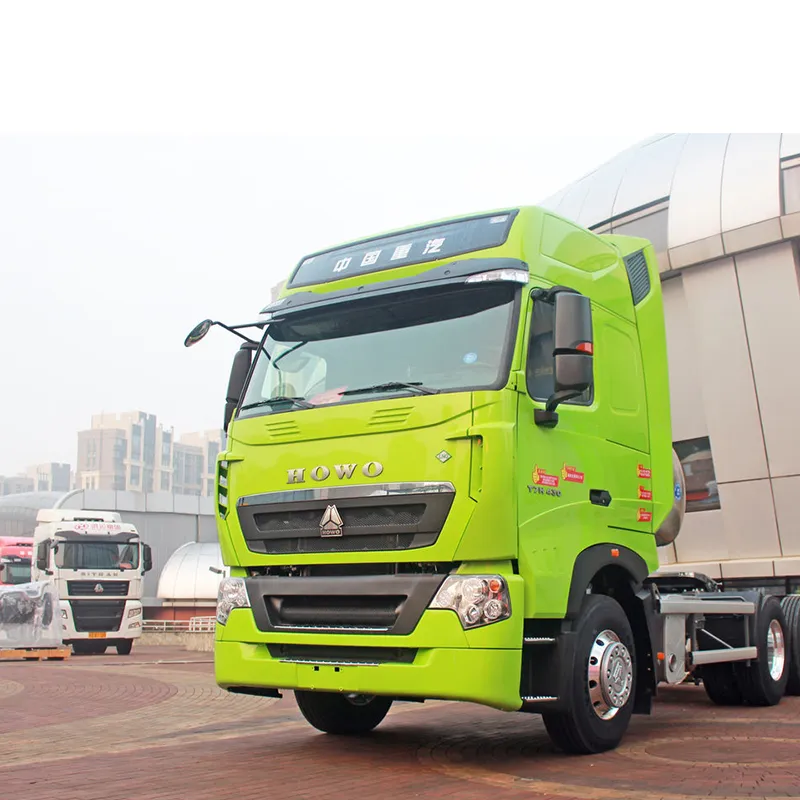
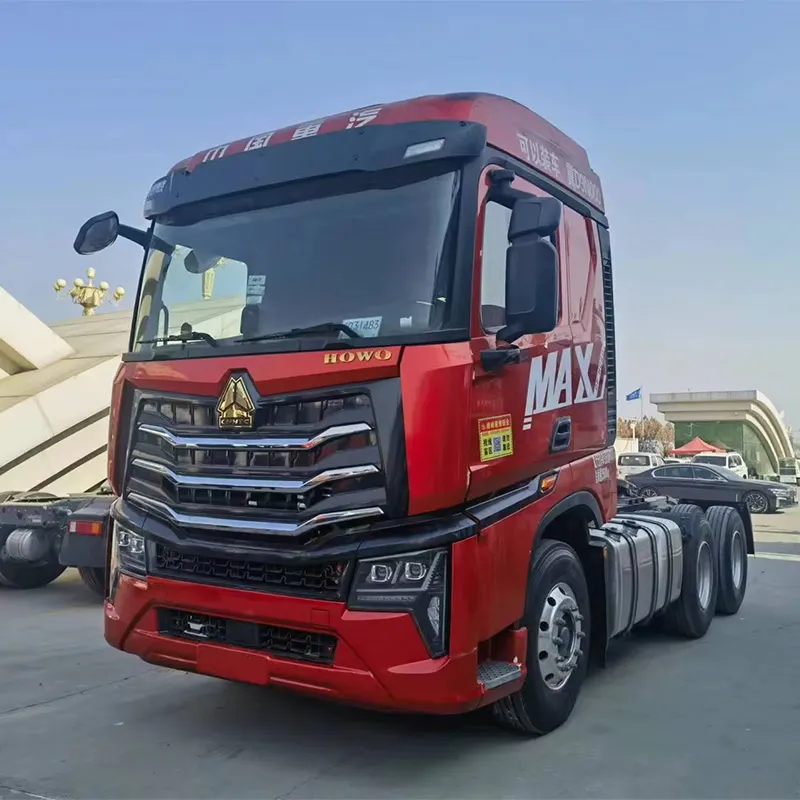
Howo 430 Engine DNA: Built for Endurance
At the heart of the Howo 430 lies the Sinotruk WD615.47 engine, a 10.5‑litre straight‑six that generates 430 horsepower and 1,800 Nm of torque. This powerplant is engineered for high‑torque low‑rpm performance, making it ideal for bulk transport and construction. Meanwhile, the Howo 480 upgrades to an 11.6‑litre unit with 480 hp and 2,100 Nm – but the 430 often wins in fuel efficiency when loads stay under 40 tonnes. Both engines use common‑rail injection and meet Euro III/IV standards, but the 430’s lighter rotating mass means less parasitic loss.
The turbocharger on this model is matched to a HW19710 10‑speed gearbox, while the Howo 480 typically gets a HW25712 12‑speed. For operators focused on service intervals, the 430 oil change period is 30,000 km under normal conditions. The aftertreatment system is simpler on the 430, reducing downtime.
Howo 430 vs Howo 480: Technical Specifications
Fuel economy
With a 400L tank and optimized injection, the Howo 430 consumes ~32 L/100km, ideal for regional hauls. Lower parasitic losses than the 480.
Payload capacity
Heavier axles (9t front) and stronger frame allow Howo 480 to handle extreme mining duties, but the 430 remains a favourite for general freight.
Parts commonality
Many parts overlap: filters, brake components – but the 430 uses a simpler turbo, reducing replacement cost. Always choose genuine sinotruk howo parts.
Real‑World Performance: Howo 430 on African Roads
In countries like Zambia, Mozambique, and DRC, the 430 is often the workhorse for fuel tankers and flatbeds. Its 430 hp hits the sweet spot between acceleration and thermal load under 45°C ambient. Drivers appreciate the HW19710 gearbox’s crisp shift, while the Howo 480’s extra 50 hp shines only on sustained high‑speed gradients. For undulating terrain, the 430 maintains higher average speeds without excessive fuel penalty. Moreover, its lighter front axle reduces tire wear when partially loaded.
Both trucks share the same robust ladder frame, but the Howo 480 gets reinforced crossmembers. However, the 430 chassis is sufficiently durable for 90% of heavy transport tasks. Retarders are optional on both, but the standard exhaust brake on this model already provides 280 kW retardation.
Keeping Your Howo 430 in Top Shape
Regular servicing using authentic sinotruk howo parts extends engine life. The Howo 430 shares many components with the 480: steering box, clutch servo, differentials – but engine internals differ (pistons, injectors). For the 430, the oil pump and cooling fan are calibrated for 430 hp output. Using genuine parts ensures the block stays free of microcracks. We recommend inspecting its turbo every 80,000 km; it’s less prone to overspeed than the 480’s larger unit.
Why do fleet managers lean toward the 430? The initial purchase price is noticeably lower, and the 430 hp variant often qualifies for lower insurance brackets. Furthermore, this model retains resale value due to high demand in used markets. The 480, while more powerful, appeals to specialized heavy-haul contractors. Whichever you choose, parts availability for both is excellent across Africa – especially for the 430 which has been in production longer.
Fuel quality sensitivity: the 430’s injection system tolerates slightly lower cetane, an advantage in remote areas. The 480’s high-pressure pump requires cleaner diesel. That’s a decisive factor for many operators – the 430 is simply more adaptable.
Howo 430 Cab & Chassis Durability
Both models feature the iconic Sinotruk cab with air suspension, but the 430 often comes with vinyl upholstery (easier to clean) while the 480 offers luxury trim. The HVAC system on the 430 cools down the cab in 10 minutes under African sun. Chassis-wise, the 430 uses multi-leaf springs, whereas the 480 can be ordered with air suspension. Yet for most cargo, the 430 suspension delivers compliant ride and longevity.
To summarise: the Howo 430 delivers the best total cost of ownership for general freight, while the Howo 480 suits extreme duty cycles. Both are Sinotruk masterpieces, but the 430 remains the backbone of African logistics. Need genuine spares? Always trust sinotruk howo parts for your 430 or 480. Our team can advise on the perfect configuration.
Whether you operate a Howo 430 fleet or a single Howo 480, using factory-grade components guarantees uptime. Our inventory includes genuine sinotruk howo parts – from engine overhaul kits to brake chambers – all stocked locally. The 430 clutch kit (φ430mm) is identical to many 480 models, simplifying stock. Contact us for parts availability and competitive pricing.
