
Sitrak C7H 540 vs C7H 440: Power Redefined
The Sinotruk Sitrak series has set new benchmarks in heavy transport, and two models leading the charge are the Sitrak C7H 540 and the Sitrak C7H 440. Engineered for long-haul efficiency, the Sitrak C7H 540 delivers exceptional power for the most demanding routes. For fleet owners who prioritize durability, using genuine sinotruk sitrak parts ensures maximum uptime. In this detailed comparison, we explore every aspect of these two titans to help you make the right investment.
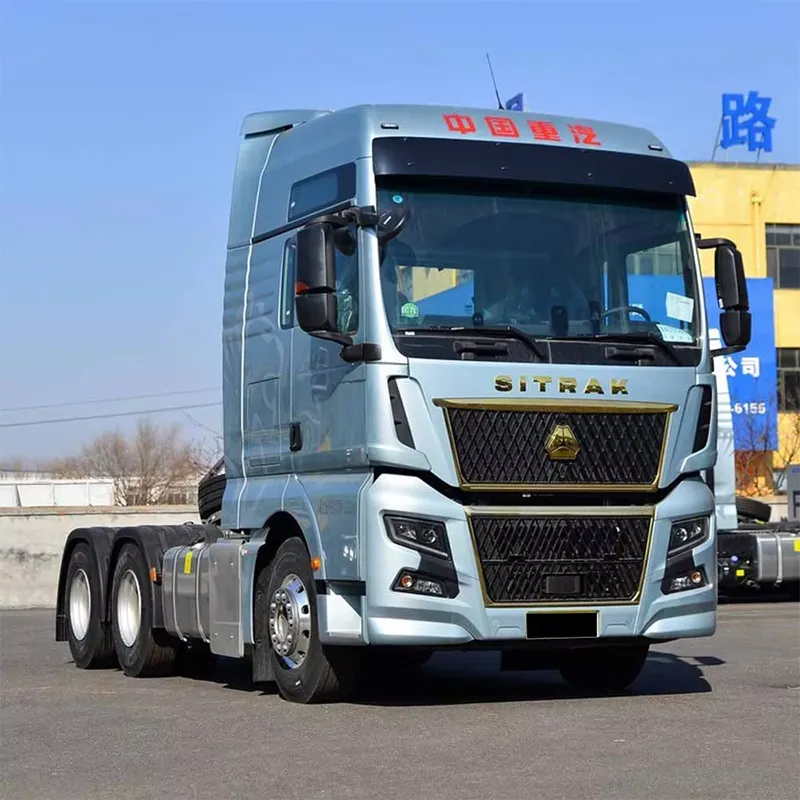
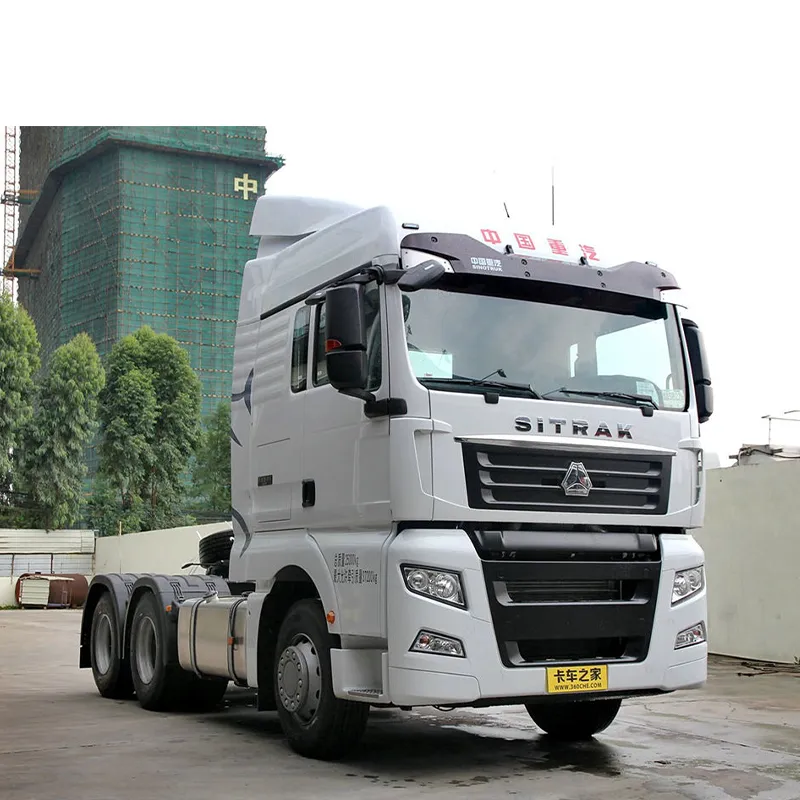
Sitrak C7H 540 Engine: The Powerhouse
Beneath the hood of the Sitrak C7H 540 lies the advanced MC13.54-50 engine, a 12.419-litre inline-six that produces 540 horsepower and a staggering 2500 Nm of torque. This powerplant, developed with MAN technology, ensures optimal performance even under maximum load. In contrast, the Sitrak C7H 440 is equipped with the MC11.44-50 engine, a 10.518-litre unit delivering 440 hp and 2100 Nm of torque. While the 440 version offers excellent fuel economy for lighter operations, the Sitrak C7H 540 excels in heavy-haul scenarios where pulling power is non-negotiable.
The Sitrak C7H 540 features a common-rail injection system and meets Euro V emission standards, providing cleaner operation. Its maximum torque plateau from 1050 to 1350 rpm gives drivers exceptional flexibility on gradients. The 440 version, while robust, cannot match the sheer grunt of the 540 when gross combination weights approach 50 tonnes.
Sitrak C7H 540 vs C7H 440: Specifications
| Parameter | Sitrak C7H 540 | Sitrak C7H 440 |
|---|---|---|
| Engine Model | MC13.54-50 (MAN) | MC11.44-50 (MAN) |
| Displacement | 12.419 L | 10.518 L |
| Max Horsepower | 540 hp @ 1900 rpm | 440 hp @ 1900 rpm |
| Peak Torque | 2500 Nm @ 1050-1350 rpm | 2100 Nm @ 1000-1400 rpm |
| Transmission | HW25712XA (12‑speed AMT) | ZF16S1950 / HW19712 (manual) |
| Fuel Tank Capacity | 900 L (600+300) | 400 L – 600 L optional |
| Front Axle Capacity | 7.5 t | 7.0 t |
| Rear Axle (double) | MCY13Q (18 t total) | MCY13 (13 t) / 18 t optional |
| Tire Size | 315/80R22.5 | 295/80R22.5 |
| Gross Vehicle Mass | 25,000 kg | 25,000 kg |
| Max Trailer Load | 40,000 kg | 37,200 – 40,000 kg |
Sitrak C7H 540 power
With 540 hp and 2500 Nm, the C7H 540 conquers steep inclines effortlessly, reducing trip times on mountainous routes.
440 efficiency
The 440 hp version offers outstanding fuel economy for regional distribution, with a proven MC11 engine.
Chassis durability
Both models feature robust ladder frames, but the Sitrak C7H 540 adds reinforced suspension for extreme loads.
On-Road Performance: Sitrak C7H 540 in Action
⚡ 540 Heavy-Haul Dominance
- Explosive response: 540 hp + 2500 Nm makes overtaking and climbing effortless, even at full load.
- HW25712XA AMT delivers seamless shifts, dramatically reducing driver fatigue.
- Absolute workhorse: exceptional grade-start and cruise performance at 50t GCW.
- Optional auxiliary braking + Adaptive Cruise Control (ACC) – rarely available on 440.
🔄 440 Agile & Precise
- ZF16S1950 / 16-speed manual – driver-focused control for urban & intercity routes.
- Exceptional fuel efficiency on flat highways with light to medium loads.
- Smaller turning radius and optimized weight distribution for regional distribution.
- Reliable core safety features, though without premium ADAS options.
Service & Genuine Sinotruk Sitrak Parts
Fuel Economy & Operating Costs
⛽ Sitrak C7H 540 Efficiency
- Highway cruise consumption: 32–35 L/100km (optimal rpm range)
- Massive 900 L (600+300) fuel tank → range exceeds 2,500 km, fewer refueling stops.
- Wide torque plateau (1050-1350 rpm) + AMT reduces shift frequency, lowering driveline wear.
- Avoids “underpowered” penalty; maintains efficiency under heavy loads.
🌿 Sitrak C7H 440 Economy
- Flat terrain consumption as low as 28–30 L/100km – ideal for light freight & plains.
- Standard 400 L tank (up to 600 L optional) cost-efficient for regional work, more frequent fueling on long hauls.
- Lower initial purchase price; excellent annual fuel cost control for moderate mileages.
- Per-tonne-km fuel cost: the 540 often wins on heavy, full-load operations.
Technology & Safety: Sitrak C7H 540 Leads
🛡️ 540 Advanced Safety Suite
- Collision Warning System (CWS) + Automatic Emergency Braking (AEB) – standard/optional high spec.
- Lane Departure Warning (LDW) + Electronic Stability Control (ESC) – enhanced control in adverse conditions.
- Optional 360° surround view & driver fatigue monitoring – reduces accident risk by up to 40%.
- Upgraded cabin soundproofing + large infotainment screen for premium experience.
🚛 440 Core Safety & Comfort
- Standard ABS + EBD, reliable braking performance meeting all regulations.
- Four-point air-suspended cab + air-suspended driver seat – same comfort foundation.
- Fewer electronic assistance options, tailored for cost-conscious fleets.
- Perfectly safe for 95% of conventional routes; robust construction remains a stronghold.
In summary: the Sitrak C7H 540 is the undisputed champion for heavy, long-distance operations where time is money. Its 540 hp engine, advanced safety suite, and massive torque make it a favorite among serious hauliers. The Sitrak C7H 440 remains a versatile, cost-effective choice for regional fleets. Whichever you choose, protecting your investment with genuine sinotruk sitrak parts ensures years of reliable service. Contact our team today to discuss the ideal configuration for your business.
